.png)
Who is orthodontics for?
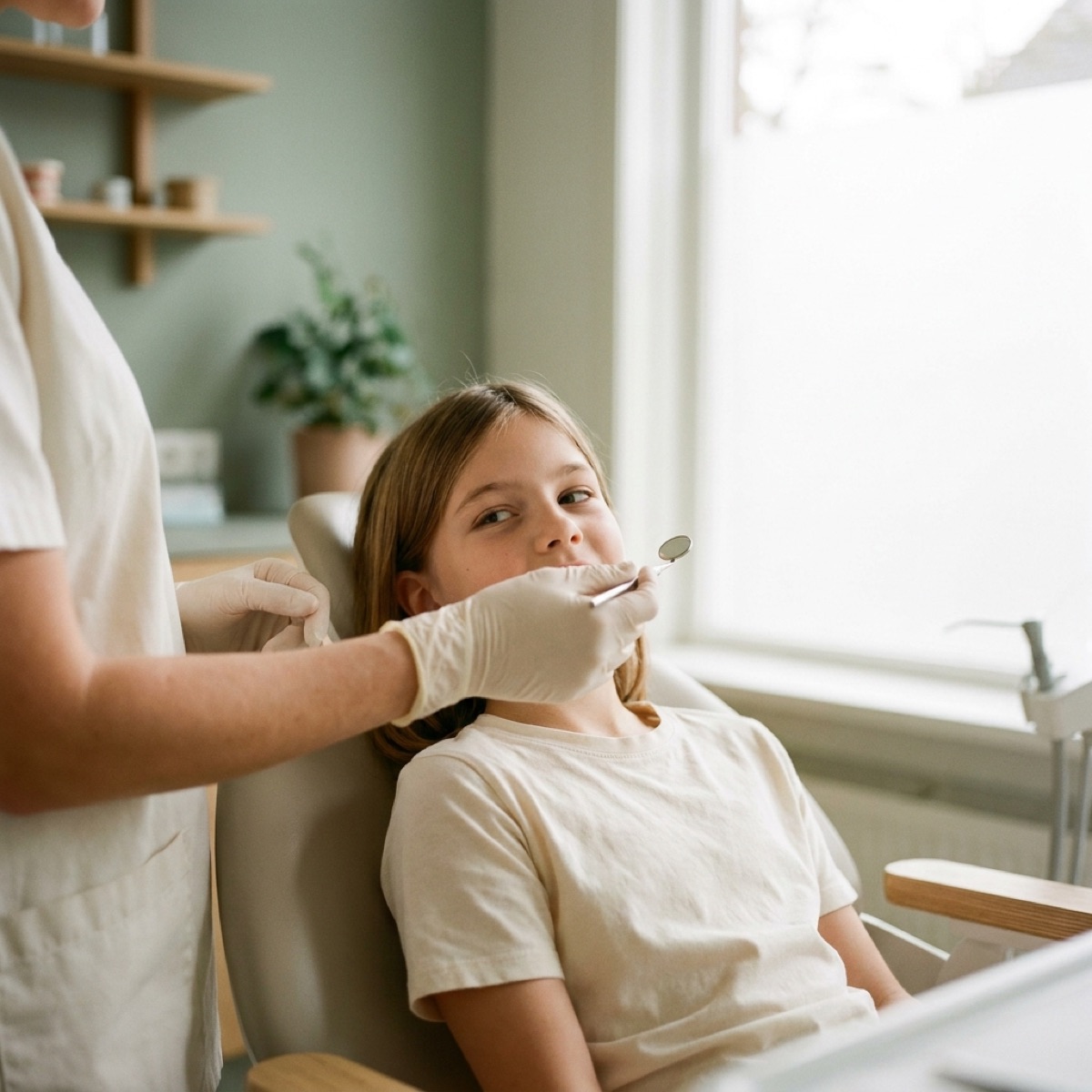
For children from age 10 and adults.
Ages 9 to 16
Most orthodontic treatments begin between the ages of ten and twelve, once the permanent teeth have come through. The growing jaw responds well to correction.
In some cases it makes sense to start earlier, from age 7 or 8. Examples include a narrow palate (palatal expander treatment) or a jaw irregularity where growth guidance needs to begin early. We always assess this individually.
When does a dentist refer?
- Crooked teeth or molars
- Crowding in the dental arch
- Bite irregularities: overbite, underbite, open bite, crossbite
- Early or late loss of baby teeth
- Problems with eruption of permanent teeth
Age 18 and over
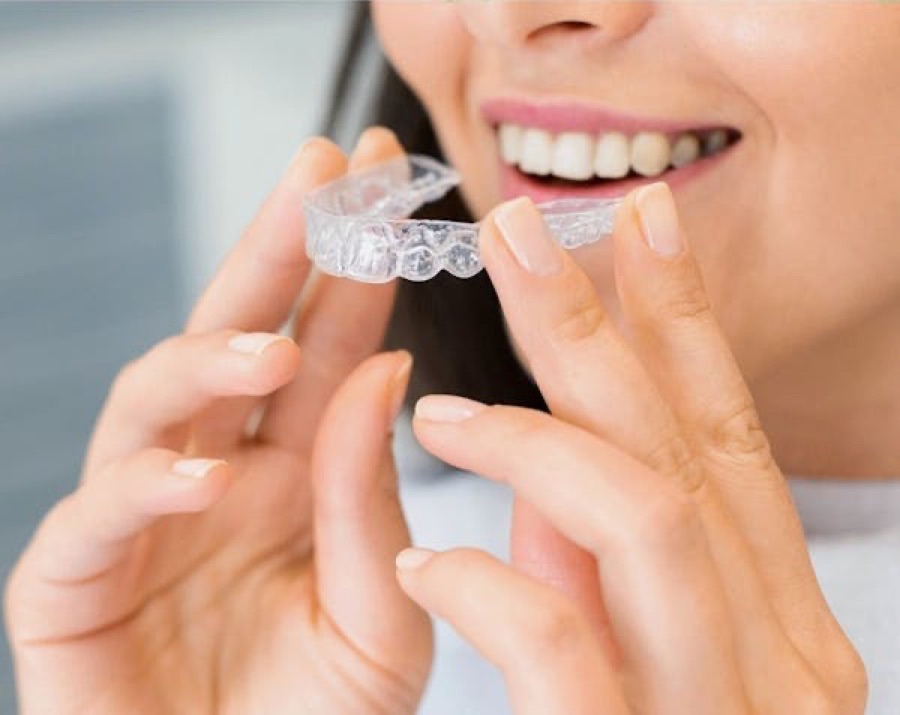
More and more adults are choosing orthodontic treatment. It is never too late for straight teeth, though treatment in adults sometimes takes slightly longer than in children (the jaw is fully grown).
Popular options for adults are Invisalign aligners (virtually invisible) and ceramic brackets (tooth-coloured). We always discuss which option suits your situation and wishes.
Please note: for adults, costs are not covered by basic health insurance. See our fees page for more information.
When is treatment worthwhile?
Crooked teeth
Teeth that are crooked, overlapping or rotated can be comfortably corrected.
Overbite
The front teeth protrude too far forward. Can cause problems with biting.
Underbite
The lower teeth sit in front of the upper teeth. Best treated early.
Open bite
When the mouth is closed, the upper and lower teeth do not meet.
Crossbite
One or more upper teeth sit behind the lower teeth when biting.
Narrow palate
Little space for the teeth. A palatal expander (Hyrax) solves this.